Plastic hair clip production process
Plastic grippers (clamps) are primarily manufactured using injection molding. The core process encompasses five key stages: design, raw material pretreatment, injection molding, post-processing, and quality control.
1. Design and Mold Development
Product Modeling: 3D structural design is conducted based on current trends, with a focus on optimizing the tooth curvature and spring clip structure to ensure clamping force and wearing comfort.
Mold Manufacturing: High-precision steel molds are manufactured, requiring the design of reasonable gate locations, cooling water channels, and ejection systems to ensure dimensional stability and reduce deformation.
1. 13
2. Raw Material Preparation and Pretreatment
Material Selection: Commonly used environmentally friendly thermoplastics include PP (polypropylene), PS (polystyrene), or ABS. Some high-end models use food-grade soft plastic.
Drying Treatment: If the raw material is hygroscopic (e.g., PA, PC), it must be dried in a dehumidifying dryer until the moisture content is <0.05% to prevent bubbles or silver streaks during molding.
**Color Mixing:** The base resin and masterbatch are mixed evenly in a specific ratio to ensure consistent color.
1 23
3. Injection Molding (Core Process)
**Plastic Injection:** Plastic granules are heated and melted in the barrel, and the high pressure of the screw injects the melt into the closed mold cavity.
**Pressure Holding and Cooling:** Continuous pressure is applied to compensate for shrinkage, while the mold is cooled by water to solidify the plastic (cooling time accounts for 70%-80% of the cycle).
**Demolding and Part Removal:** After mold opening, the ejector mechanism ejects the blank, which is now a colorless or basic-colored semi-finished product.
2 19
4. Post-processing and Surface Treatment
**Deburring and Trimming:** Flash and gate residue generated at the parting surface are removed manually or mechanically to ensure smooth edges without fraying.
**Surface Decoration:**
**Polishing:** Transparent or natural-colored models undergo fine polishing to enhance gloss.
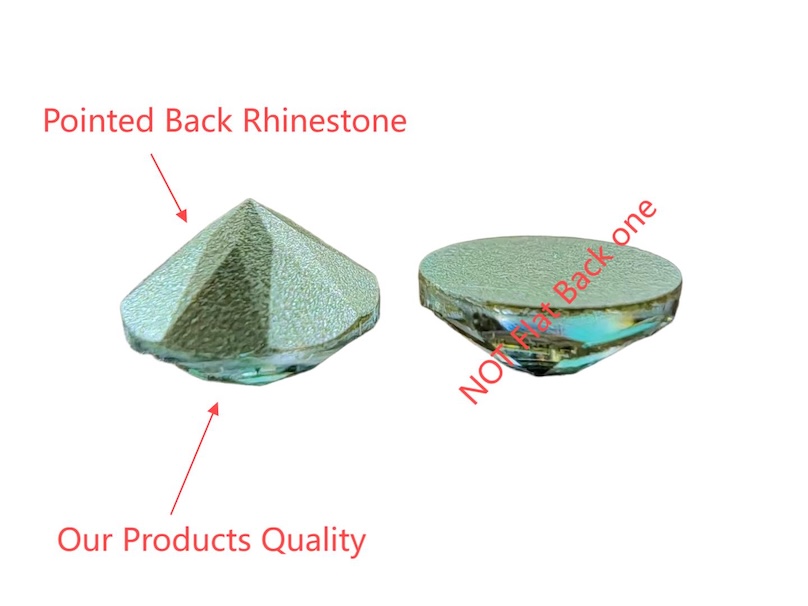
**Spraying/Electroplating:** Electrostatic spraying or vacuum electroplating is used to add a metallic texture, followed by high-temperature curing to improve wear resistance. **Embellishing:** Some styles require manual application of rhinestones, pearls, and other accessories.
1 25 5. Quality Inspection and Packaging
**Functional Testing:** Random checks are conducted on opening and closing life (typically requiring tens of thousands of cycles), clamping force, and elastic recovery.
**Appearance and Safety:** Inspection is performed for bubbles, missing materials, and color differences, and the product passes RoHS and other environmental certification tests.
**Packaging and Warehousing:** Qualified products are cleaned and individually packaged to prevent scratches during transportation.
25 The entire process emphasizes mold precision and process parameter control (temperature, pressure, time) to ensure product durability and safe wear.